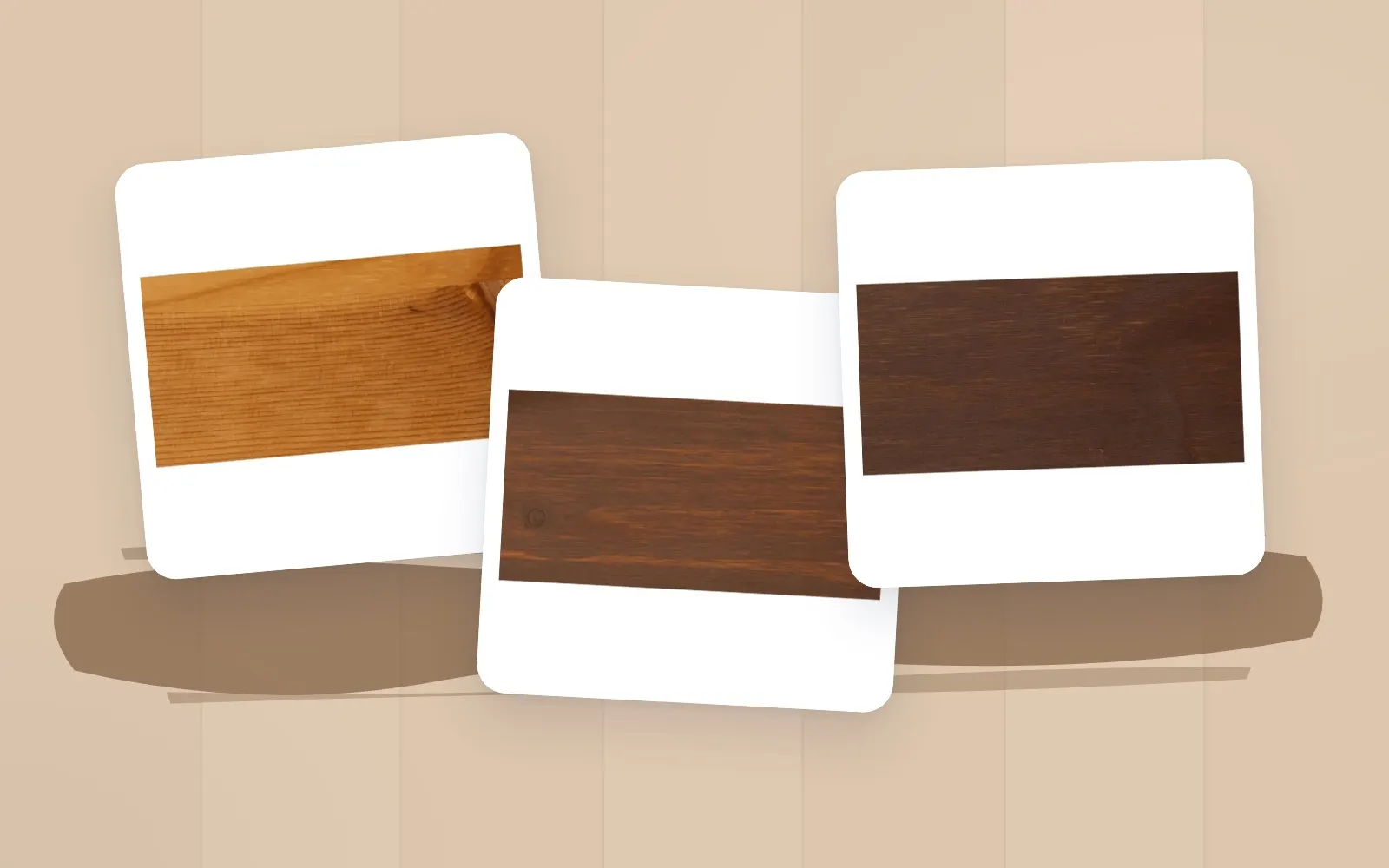
If you want timber to look and feel like timber — not like plastic — linseed oil wax is one of the simplest finishes there is. One thin coat, wiped off, gives a silky, matte, water-repellent surface that is easy to clean and easy to repair.
What is linseed oil wax?
Allbäck Linseed Oil Wax is purified linseed oil and beeswax boiled together, so that the beeswax becomes part of the finish as the oil hardens. It comes in a clear Natural version and eight colours — White, Grey, Mole, Black, Oak, Brown, Mahogany and Red — that can be mixed with each other. One litre covers around 40 m².
Where you can use it
- Timber floors, stairs and wall panelling
- Furniture, tables and kitchen benchtops — the product is food safe once cured
- Over matte paints such as Linus wall paint on furniture, for a washable finish
- Other absorbent surfaces: concrete, brick and slate
- Maintaining linseed-oil-painted surfaces that have turned matte
It needs an absorbent surface. It will not soak into varnished, lacquered or sealed timber.
How to apply it
- Clean. Wash dirty surfaces with linseed soap and water, then let them dry. A wet vacuum speeds this up on floors.
- Sand if needed. If the grain has raised, sand lightly with fine (around 180 grit) paper and vacuum.
- Apply thinly. Use a scouring pad, rag or stiff brush and work the wax into the timber along the grain, a few boards or one panel at a time.
- Let it soak in. Leave it for about 15–20 minutes.
- Wipe off all the excess. Use a clean towel or rag within an hour. This is the most important step — too much wax leaves a sticky surface with an uneven sheen that takes much longer to dry.
That is usually it: one coat is normally enough. You can walk on a floor straight away (wipe any footprints off as you leave the room), but keep liquids off the surface while it cures. It is fully hard within a few weeks. Knots high in resin may take longer.
Natural or coloured?
The coloured waxes give a translucent, glazed effect rather than solid coverage. The result depends heavily on the timber: sanded wood absorbs more wax and takes more colour than planed wood. Always test on an offcut or hidden area. For a softer tint, mix Natural with a coloured wax. Over white-painted furniture, use White wax — the Natural wax can yellow slightly.
Browse the linseed oil wax colours.
Care and maintenance
Clean waxed surfaces with a weak solution of linseed soap and water. Avoid harsh, high-pH cleaners. When a high-traffic area looks dry, clean it and apply another thin coat to that area — it blends in, with no sanding back.
Safety
Rags used with linseed oil wax can self-ignite as the oil hardens. Soak them in water before disposal.
Common questions
Linseed oil wax or boiled linseed oil?
Both are breathable and easy to maintain. Wax gives a silkier, more water-repellent surface in one coat; boiled oil is thinner and suits feeding and finishing bare timber.
Is it suitable for kitchen benchtops?
Yes — it is food safe once cured and repairs easily. Wipe spills promptly while it is new.
Can I use it outdoors?
It can be used on outdoor timber and for maintaining linseed oil paint, but for full weather protection on exterior timber, linseed oil paint lasts far longer.