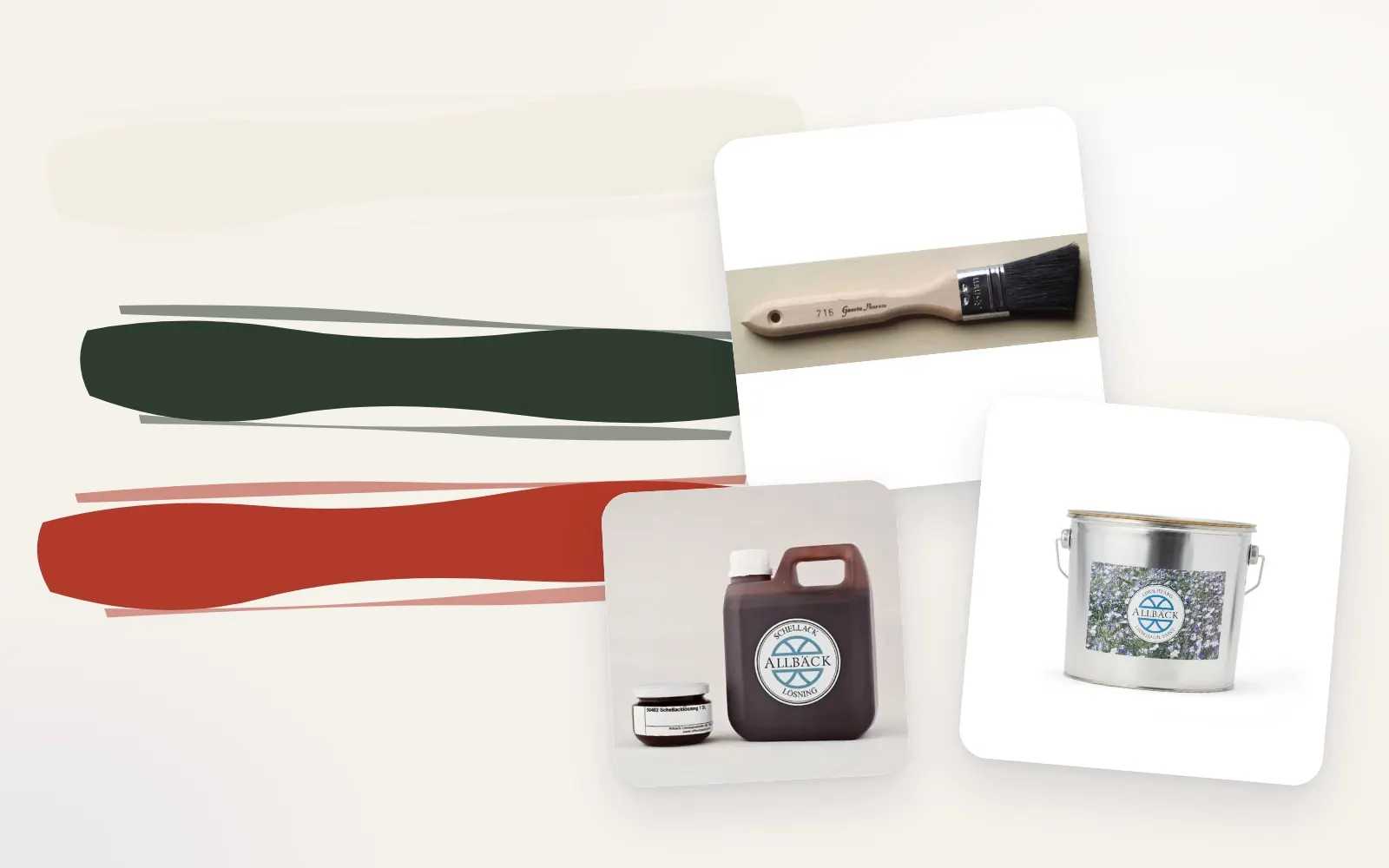
Timber windows take more punishment than any other part of a house: sun on one side, condensation on the other, rain sitting on the bottom rail. They are also where linseed oil paint has been used longest, and where its advantages show most clearly. This is the order of work Allbäck recommends, adapted for a typical Australian sash or casement window.
Before you start
- Check for lead. Windows in houses built before 1970 are likely to have lead paint in the lower layers. Read how to strip paint from timber and removing old paint safely before you scrape or heat anything.
- Pick your weather. Linseed oil paint should go on at 14 °C or warmer, onto timber with no more than 14% moisture. You can paint in the sun.
- Allow time. Each coat needs around 24 hours to dry. A window done properly takes several days, mostly waiting.
Step 1: Take it apart and label everything
If the sashes can come out, take them out and label frames, panes and hardware. Hinges, catches and sash lifts can be cleaned by soaking or gently boiling them in a solution of linseed soap and water, then brushing clean.
Step 2: Remove loose paint and failed putty
Scrape back to sound paint or bare timber. Infrared heat is the gentlest way to lift old paint and putty together without scorching the wood or cracking the glass — the Speed Heater softens paint and putty at the same time and creates dry, disposable waste. Avoid open flames and high-temperature heat guns, especially near glass and on lead paint.
Step 3: Repair the timber
Cut out and splice any rotten sections. Fill small cracks and open corner joints with linseed oil putty, or with putty thinned with a few drops of raw linseed oil, brushed in and wiped off.
Step 4: Feed the dry wood
Old exterior timber is usually very dry. Brush on raw linseed oil, ideally warm, and let it soak in completely. Wipe off whatever is left on the surface. This keeps the paint from being drawn into the timber and gives a more even finish.
Step 5: Seal knots and rebates with shellac
Brush shellac over knots so resin does not bleed through, and into the glazing rebates. Shellac in the rebate stops the timber drawing oil out of the putty, which greatly extends the life of the glazing.
Step 6: Reglaze where needed
Bed the glass in linseed oil putty, fix it with glazing points, then run the front putty. There is a full walkthrough in how to reglaze a window with linseed oil putty. You can paint over Allbäck putty straight away or wait until the next day.
Step 7: Paint — at least three thin coats
- Stir the paint thoroughly. For exterior work, add 10–20% zinc oxide to make the paint more resistant to mould.
- Use a stiff, natural-bristle brush. A slim angled sash brush makes the glazing bars much easier — have a look at our brushes.
- Work the paint into the timber in several directions, then finish with long strokes along the grain. Each coat should be thin but fully covering when you look at it against the light.
- Paint about 2 cm onto the glass with every coat. This seals the joint between putty and glass.
- Apply at least three coats outdoors, and four on very exposed windows. If the paint needs thinning, use no more than 5% boiled linseed oil — never solvent.
Step 8: Cut a clean line on the glass
Once the final coat is dry, wet the glass with a weak soap-and-water solution. Using a steel blade as a straight edge, cut the paint with a razor glass scraper so that about 2 mm of paint stays on the glass, and remove the rest. That small overlap is what keeps water out of the putty line.
Step 9: Rehang and maintain
Hang the sashes on greased hinges or with fresh sash cord. In future, wash the windows with linseed soap, and when the paint turns chalky, wipe on a little boiled linseed oil or add one more coat — see looking after linseed oil paint.
Common questions
Can I paint linseed oil paint over old window paint?
Over sound old oil-based paint, yes, after washing and a light sand. Over acrylic, paint a test area first.
How many coats do windows need?
At least three outdoors, four on windows that face the weather. Each one thin and fully covering.
Which colour should I choose?
Traditional window colours such as Old White, Parchment, Holkham Green and Old Red are all part of the Allbäck range.