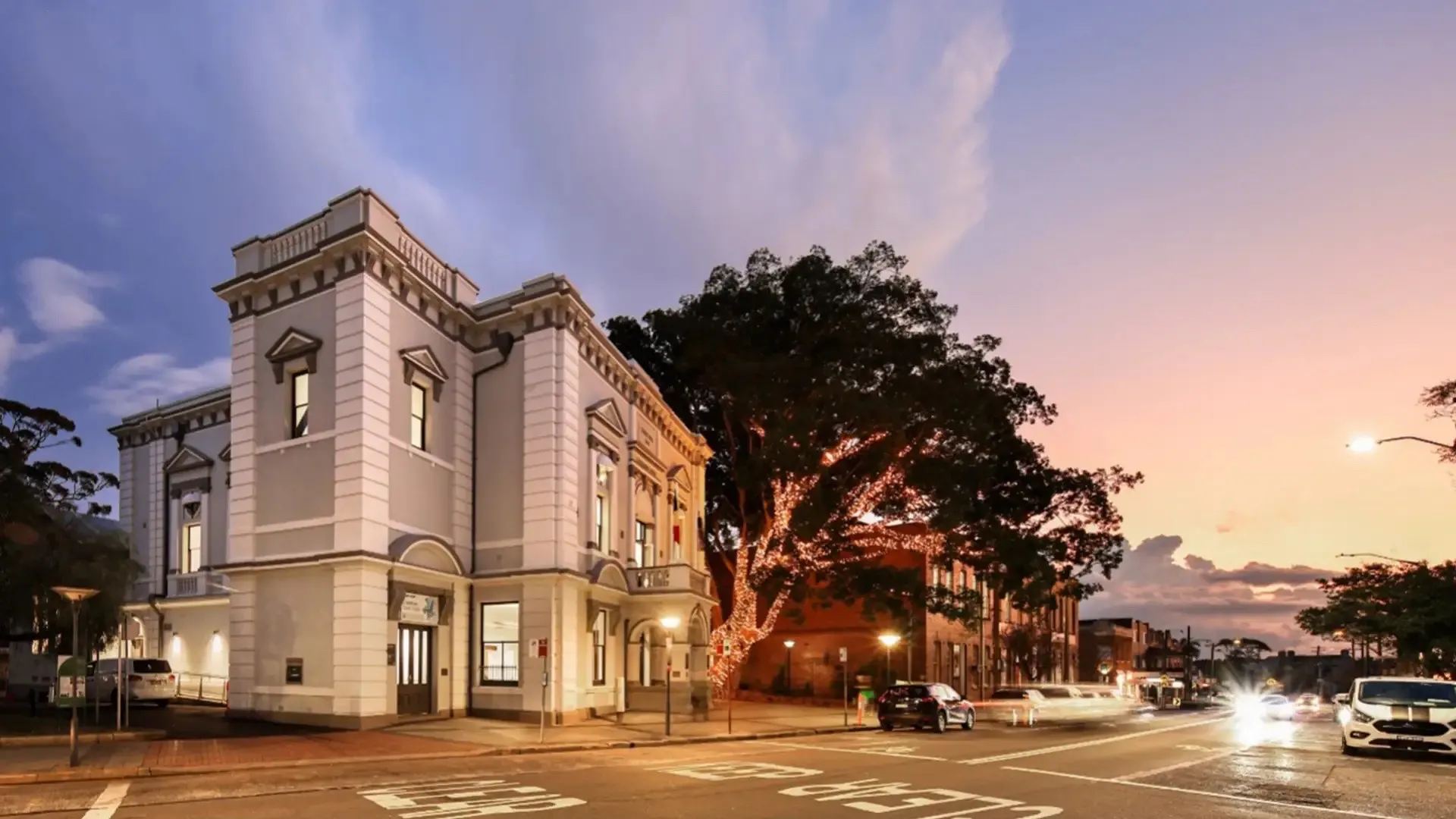
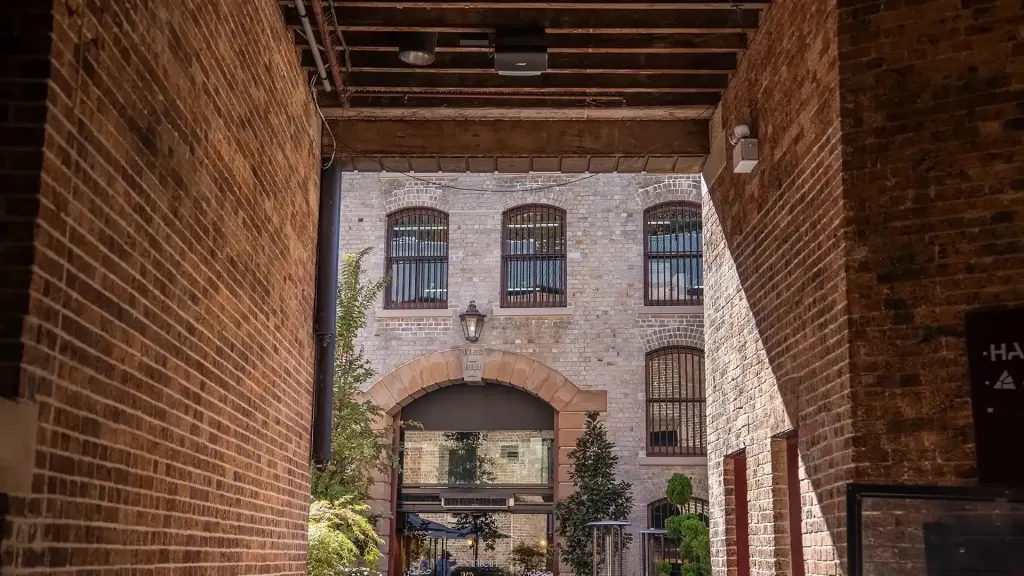
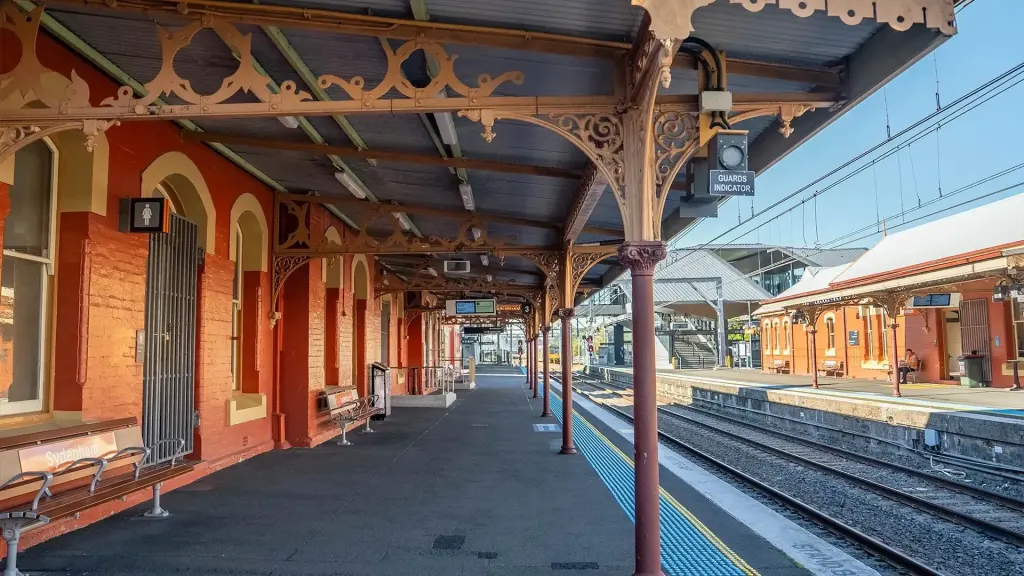
Long before acrylic paint, timber windows, doors and weatherboards were painted with linseed oil and mineral pigment. Many of the buildings that still look good after a hundred years were finished this way. Allbäck’s own reference point is original linseed oil paint from 1680 at the Château de Versailles — and restorers in Europe, North America and Australia keep choosing it for good reasons.
It works with the timber, not against it
Linseed oil soaks into the wood before it hardens, so the paint is anchored in the timber instead of sitting on top as a separate skin. The finish stays open to moisture: timber can dry out after rain instead of trapping water behind a plastic film, which is one of the main causes of blistering, peeling and rot in old joinery.
It ages gracefully
Modern finishes usually fail by cracking and flaking. Linseed oil paint slowly loses its sheen and then chalks on the surface. That means the next round of work is a wash and a coat of oil or paint — not a full strip-back that removes more of the original fabric each time. Allbäck rates its paint at 20–25 years before recoating on a well-prepared surface. For heritage buildings, where every strip-back risks damaging old timber, mouldings and glass, that matters.
It is reversible and compatible
Conservation work favours materials that behave like the originals and can be maintained the same way. Linseed oil paint goes over old oil-based paint, bonds with traditional linseed oil putty, and can be refreshed indefinitely with boiled linseed oil. It does not lock the building into a cycle of incompatible coatings.
The right colours and the right look
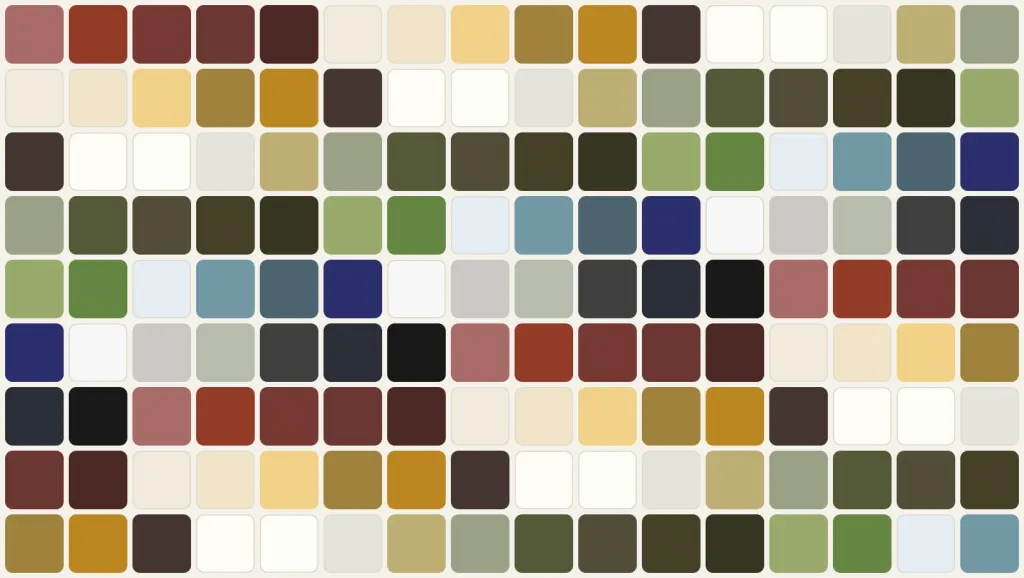
Allbäck’s 32 colours are ground from traditional pigments — iron oxides, chrome oxide green, ultramarine and titanium white — the same families of colour seen on historic joinery. The finish is a soft, deep sheen that wears to matte, rather than the flat or plasticky look of many modern paints. Colours can be mixed with each other to match a documented scheme: see mixing your own Allbäck colour.
It is solvent-free
Allbäck paint is purified, boiled Swedish linseed oil and pigment, with no solvents and VOCs under 5 mg/L. It has been tested for emissions and approved for use by Swedish heritage and property authorities. It is pleasant to work with indoors and out, including in occupied buildings.
Where it is used on heritage buildings
- Timber windows — sashes, casements and frames, together with linseed oil putty. See how to paint timber windows.
- Doors and joinery — panelled doors, architraves, skirtings and stairs.
- Weatherboards and fretwork — see painting weatherboards with linseed oil paint.
- Metalwork — iron railings and sheet metal, on a clean, dry surface.
- Plaster and masonry — as an emulsion, by whisking about 30% water into the paint.
What heritage work involves
The paint is only part of the job. On older buildings, old layers often contain lead, and some textured coatings from before the mid-1980s may contain asbestos, so preparation needs care. Our services cover heritage restoration and paint stripping, and our guide to removing old paint safely explains the safer methods.
Common questions
Do I need council approval to repaint a heritage-listed building?
Requirements vary between councils and listings, especially for colour changes. Check with your local council or heritage adviser before you start.
Can I use linseed oil paint on a non-heritage house?
Absolutely — the same advantages apply to any timber house. Compare it with modern paint in linseed oil paint vs acrylic.
Where can I see the colours?
Browse all 32 colours, or buy a 200 ml tin to test on site.