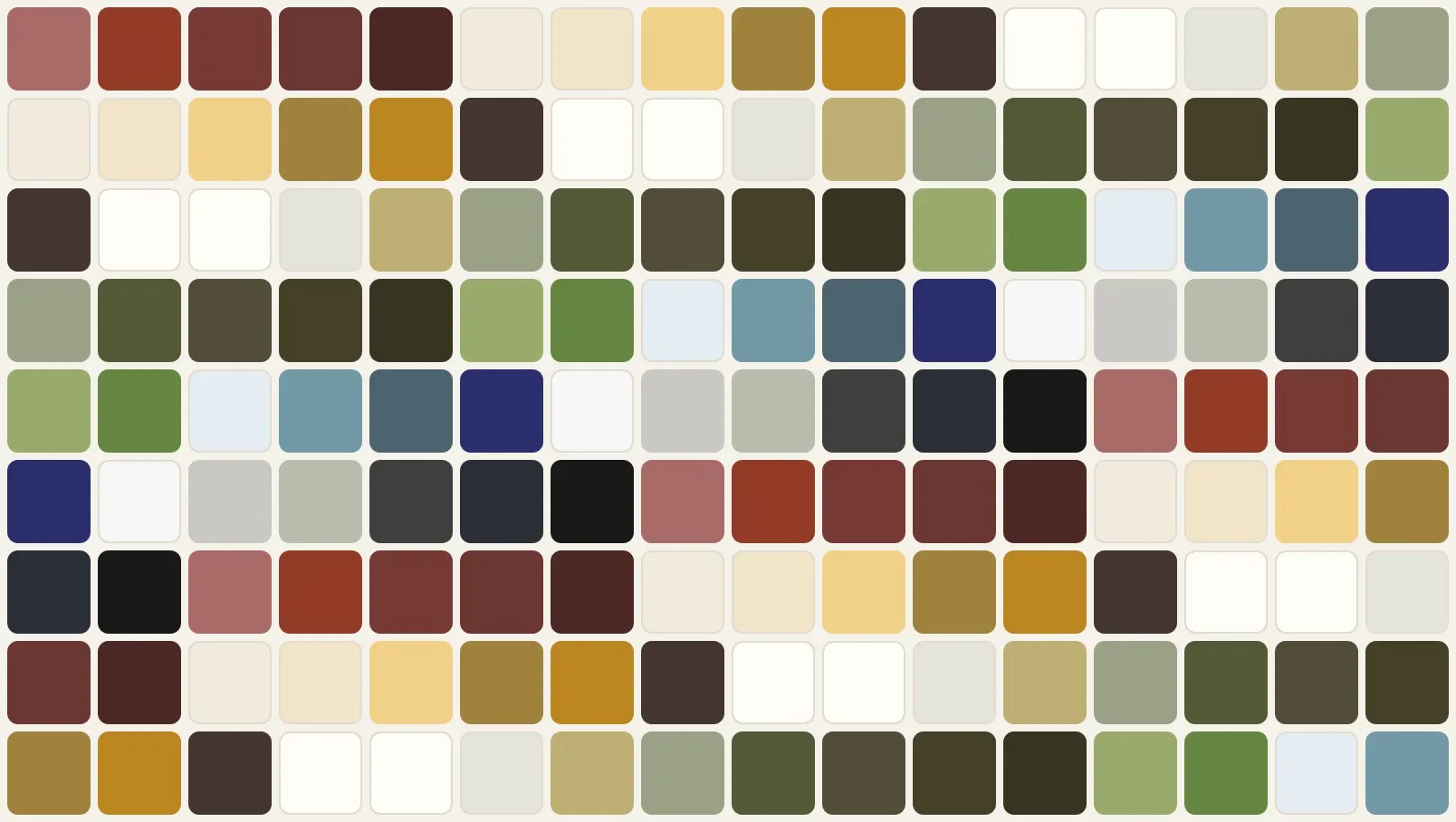
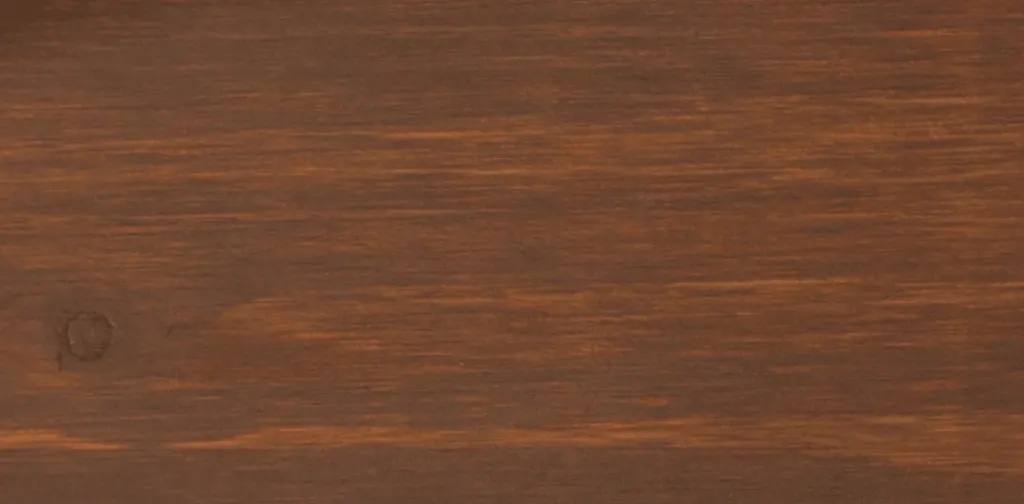
Allbäck linseed oil paint comes in 32 colours, and every one of them can be mixed with any other. That opens up more than 8,000 shades — enough to match a heritage scheme, a paint scraping from site, or simply a colour you have in mind. Because the colours are made from a small family of mineral pigments, they mix cleanly and predictably.
What the colours are made of
Allbäck colours are ground from traditional pigments: titanium dioxide (white), iron oxides (the ochres, reds, browns and blacks), chrome oxide green and ultramarine blue. These are lightfast, stable pigments, and the same families of colour seen on historic buildings for centuries. Mixing two Allbäck colours gives you a shade that sits naturally within that palette.
What you need
- The base colours — 200 ml tins are ideal for experimenting
- Clean glass jars with lids
- Measuring spoons or kitchen measuring cups (keep them for paint only)
- A stick blender or paint whisk for larger batches
- Sample boards — offcuts of the timber you will paint, or primed card
- A notebook or labels
Step 1: Start with tints of white
The simplest way to create new shades is to lighten a colour with white. Allbäck suggests starting with:
- 1 part colour + 1 part white
- 1 part colour + 2 parts white
For example, Old Red with white gives a range of soft dusty pinks; Holkham Green with white gives muted sage greens. Off-whites can be shifted warmer or cooler with a very small amount of an ochre or a grey.
Step 2: Mix colour with colour
Mixing two colours gives deeper, more complex shades — for example, Spruce Green and Holkham Green in equal parts gives a dark, traditional window green. Add the stronger colour to the lighter one a little at a time; dark colours dominate quickly.
Step 3: Test, and let it dry
Paint each mix onto a sample board in the conditions where it will be used, and let it dry fully in daylight. Linseed oil paint can look slightly different wet and dry, and a colour seen indoors under artificial light can look quite different outside in Australian sun. Look at samples at different times of day.
Step 4: Record the recipe
Write the exact ratio on the back of each sample and keep a master list. Measure by volume with spoons or cups so you can repeat the mix exactly. Without a record, it is almost impossible to match a colour later for a touch-up.
Step 5: Mix enough for the whole job
When you are happy with the colour, scale the recipe up and mix enough for every coat on one surface in a single batch. Small differences between batches show up most on large, flat areas such as weatherboards. Mix thoroughly — a stick blender works well — and store the mixed paint in clean, sealed tins. Linseed oil paint keeps indefinitely, so leftover custom colour is useful for touch-ups. Work out quantities with how much linseed oil paint do I need?
Tips for good results
- For exterior work, add 10–20% zinc oxide to the mixed paint. Mixed in thoroughly it should not noticeably change the colour, but make your test sample with it added.
- Light colours can yellow a little in dark interior spaces; a touch of grey in the mix reduces this.
- Linus wall paint colours can be mixed with each other, but not with linseed oil paint. See Linus wall paint.
We don’t tint in the warehouse
Please note that we don’t tint or mix paint to order. Mixing is done by you, at home or on site — which also means you keep full control of the shade.
Common questions
Do mixed colours last as well as the standard colours?
Yes. The pigments and binder are the same, so a mixed colour performs exactly like the originals.
Can I match a historic colour?
Often, yes. Take a scraping back to bare paint layers, find the original colour, and mix towards it from the nearest standard colours. See why heritage buildings are painted with linseed oil.
Which colours make a good starting point?
Browse the 32 colours or ask us — tell us the colour you are after.